Chitosan vs Zeolite Hemostatic Agents: Mechanism, Speed & Safety Comparison
Chitosan and Zeolite approach life-threatening hemorrhage through radically different scientific pathways. Chitosan (BioShield) is a cationic biopolymer that physically aggregates red blood cells with zero exotherm (0°C heat), retaining complete hemostatic potency in hypothermic or anticoagulant-medicated casualties. Zeolite (VolcanoShield) is a crystalline aluminosilicate molecular sieve that rapidly adsorbs small water molecules from blood, instantly concentrating platelets and natural clotting proteins while physically sealing high-pressure arterial punctures within ≤60 seconds. Modern engineering by Ruten Medical restricts zeolite hydration exotherm to less than 7°C, neutralizing historic burn concerns. Understanding each mechanism allows procurement directors to match the right solution to specific clinical, military, and mass-casualty environments.
Distinct Operational Niches: Systemic Versatility vs Instant Arterial Shock Sealing
Chitosan is ideal for broad battlefield triage (especially hypothermic or blood-thinned trauma), while Zeolite's massive physical water adsorption creates unmatched concentration velocity for high-pressure, pulsing arterial lacerations.
Head-to-Head Parameter Matrix
Empirical metrics from certified laboratory assays, lethal animal models, and accelerated shelf life testing.
| Parameter / Metric | International Brand / Platform A | Ruten Medical Standard (Direct Factory) |
|---|---|---|
Operating Mechanism Biopolymer gelation vs physical water trapping | Cationic electrostatic bonding to red blood cells | Nanoporous molecular sieve selective water adsorption |
Thermal Profile (Exotherm) Historic early zeolite generated >30°C rise; Ruten is safe | Strictly 0°C (Zero thermal reaction) | Controlled ΔT < 7°C (Ruten low-exotherm matrix) |
Speed to Mechanical Clot Both are ultra-fast emergency interventions | ≤ 30 seconds (pseudo-clot formation) | ≤ 60 seconds (rapid water uptake & dehydration seal) |
Dependence on Clotting Factors Chitosan is superior for medicated or coagulopathic casualties | Independent (works on heparinized blood) | Partial: physically concentrates existing factors rapidly |
Action in Cold Blood (<32°C) Molecular sieve physical adsorption is unaffected by temperature | 100% Retained efficacy | Physical adsorption active; mild temperature slowing |
Format & Delivery Options Ruten encloses zeolite in non-shedding mesh to protect wounds | Z-fold gauze, sponges, powder applicators | Non-shedding woven mesh gauze, heavy pads, cotton balls |
Wound Debridement & Removal Eliminates past concerns of loose powder irrigation | Removed intact; residual gel flushes with saline | Enclosed mesh pouch extracted cleanly in one piece |
Rigorous In-Vivo & In-Vitro Testing
High-Pressure Arterial Bleeding: Swine Aortic Laceration
In comparative tests with 8 mm swine aortic defect, Ruten's VolcanoShield modern low-exotherm zeolite mesh pad rapidly drained fluid, creating a dense high-friction hemostatic plug that resisted arterial pulses up to 145 mmHg without dislodging. Chitosan achieved rapid biochemical seal with comparable survival.
Thermographic Tissue Heat Evaluation During Hydration
Using high-speed FLIR thermographic imaging during direct blood application, Ruten's ion-exchanged zeolite maintained local tissue temperatures at 43.8°C maximum (starting from 37°C body temp), well below the 49°C irreversible cellular thermal injury threshold. Chitosan exhibited absolute zero temperature shift (ΔT = 0.0°C).
Molecular Sieve Physical Drying vs Cationic Surface Gelation
Deep scientific dive into micro-biological pathways and physical mechanics.
BioShield Chitosan (Cationic Biopolymer)
Poly-N-acetylglucosamine biopolymer with extensive amine side-chains. Positively charged molecules physically recruit red blood cells, creating an instant impermeable coagulum over the bleeding site.
- Zero heat generation (ΔT = 0°C)
- Functions in severe hypothermia, acidosis, and anticoagulated state
- Naturally biodegradable and biocompatible
- Provides broad-spectrum antimicrobial resistance against pathogens
VolcanoShield Zeolite (Controlled Molecular Sieve)
Crystalline aluminosilicate with a 3D framework of microporous uniform channels. Zeolite selectively captures small water molecules (size ~0.28 nm), leaving platelets, fibrinogen, and clotting proteins intensely concentrated at the vascular breach.
- Blistering water absorption rate: creates high-density dense clot within seconds
- Ruten proprietary ion-exchange buffers hydration energy to safe ΔT < 7°C
- Enclosed multi-layer woven mesh envelope prevents powder particle migration
- High friction matrix stops massive high-pressure arterial blowouts
Precision Engineering Across Both Advanced Hemostats
Ruten Medical is one of the few medical manufacturers worldwide capable of engineering both delicate biopolymer chitosan formats and advanced low-exotherm zeolite minerals under ISO 13485 cleanroom standards.
Multi-Material Emergency Hemostatic Dressing Specification Clause
This comparative specification ensures clear boundaries between biological and mineral hemostatic procurement lots.
Review Clinical TCCC Protocol Guidelines for this Equipment
Explore step-by-step algorithms, tactical contraindications, and military procurement specifications across CUF, TFC, and TACEVAC phases.
Matched Direct-Factory Models
Certified under ISO 13485 & CE with ready inventory for global dispatch and rapid sample evaluation.
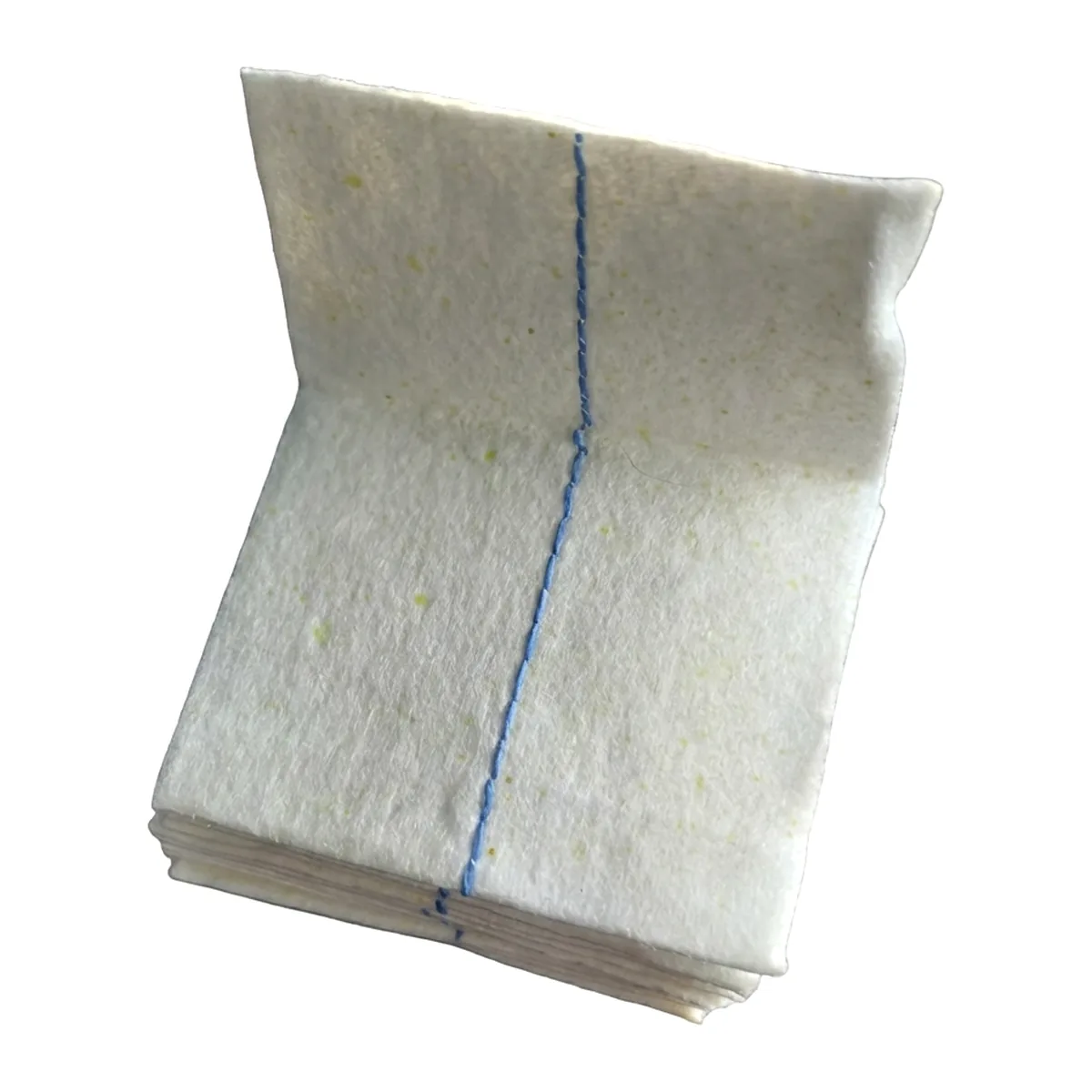
BioShield Chitosan Z-Fold Gauze
7.5 cm × 3.7 m | Clots in ≤30s | Hypothermic & Heparinized Blood
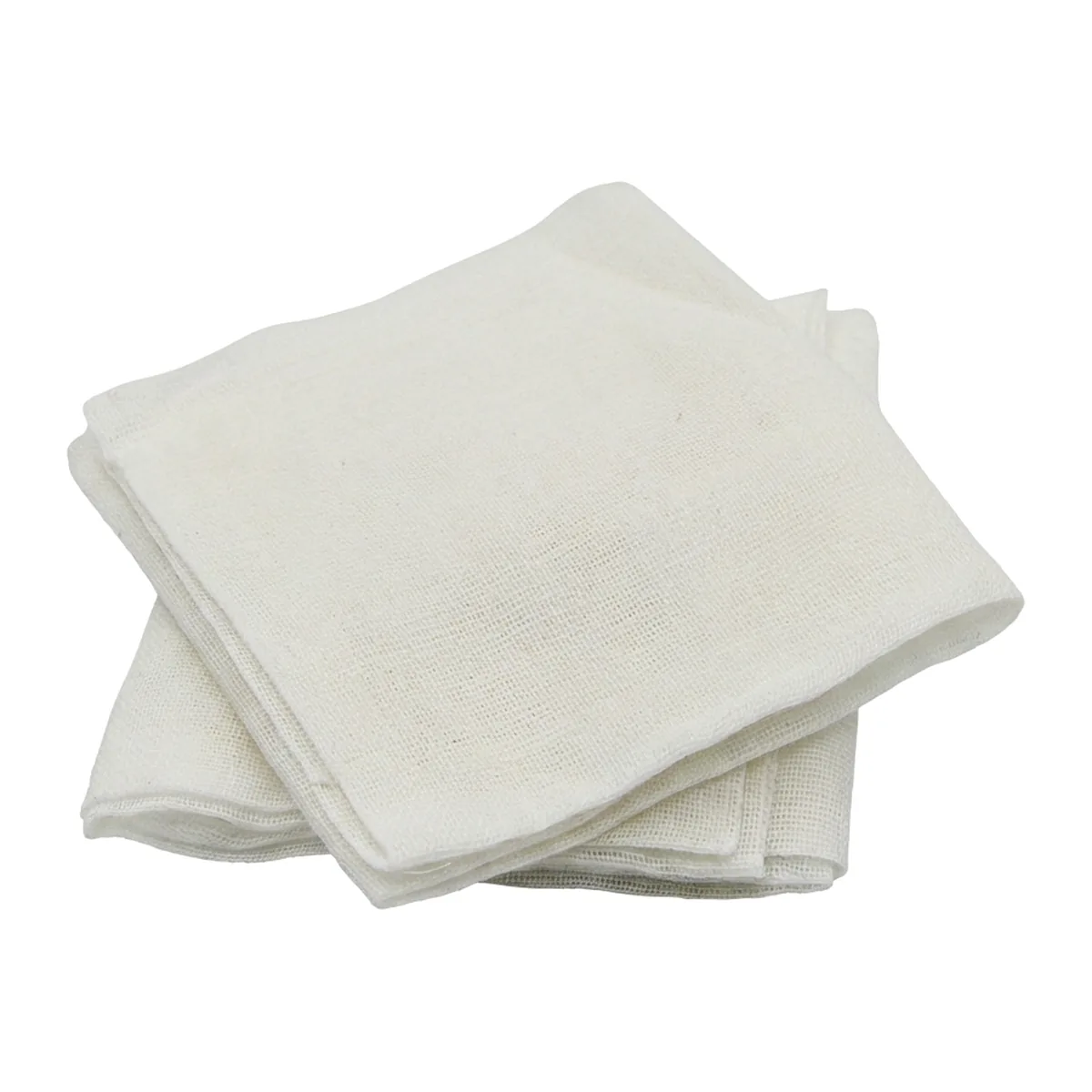
VolcanoShield Zeolite Hemostatic Gauze
7.5 cm × 3.7 m | ΔT < 7°C | Rapid Molecular Sieve Sealing
Frequently Asked Questions
Critical clinical, regulatory, and procurement answers for international buyers.
Related Topics & Equivalents
Ready to Reduce Procurement Costs by 40–60%
with Primary Factory Direct Sourcing?
Submit your technical requirements or target quantities. Our defense engineering team will confirm your evaluation plan within 24 hours and dispatch test sample kits worldwide.