TCCC MARCH PAWS Algorithm
& Equipment Protocol Roadmap
The complete tactical trauma sequence: Massive Hemorrhage, Airway, Respiration, Circulation, and Hypothermia. Detailed physiological time windows, clinical pitfalls, and compliant equipment specifications.
Massive Hemorrhage Control
Clinical Fatality Priority:Number 1 preventable cause of death on the battlefield. Accountable for over 60% of pre-hospital combat fatalities.
- ✓Assess for unrecognized external hemorrhage. Apply immediate windlass limb tourniquet 2-3 inches above the bleeding site directly to skin.
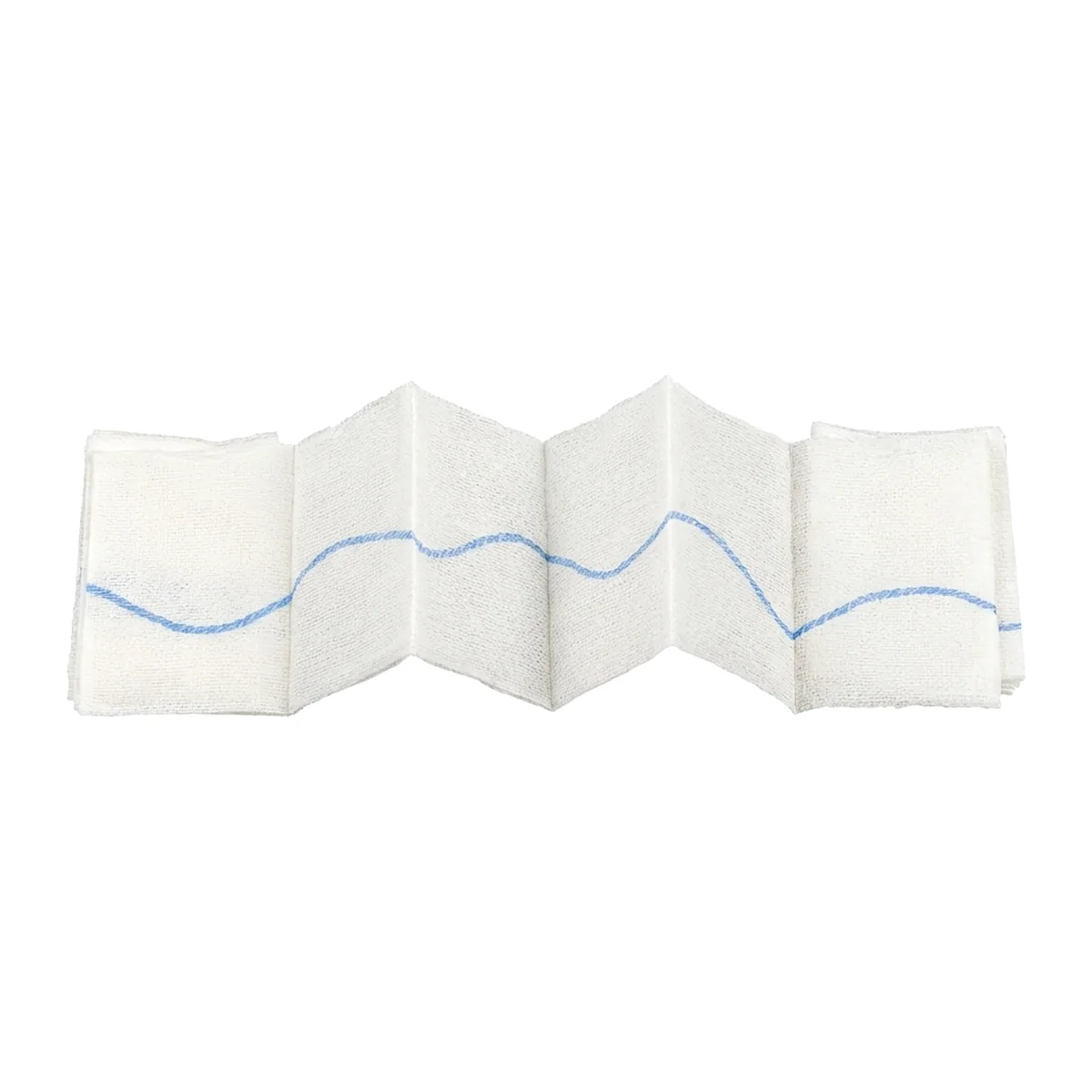
- ✓For non-extremity junctional hemorrhage (groin, axilla, neck), pack wound tightly with CoTCCC-recommended hemostatic Z-fold gauze.
- ✓Maintain continuous manual perpendicular pressure for a minimum of 3 full minutes.
- ✓Secure with tactical compression bandage to prevent gauze displacement.
- ✕Using regular non-hemostatic cotton gauze which fails to stimulate clotting factors.
- ✕Stopping manual pressure before 3 full minutes elapse.
- ✕Peeking at the wound to see if it stopped bleeding, which disrupts early fibrin clot mesh.
EarthShield Kaolin Z-Fold Gauze / BioShield Chitosan Gauze
The 5 Lethal Battlefield Interventions
Published Clinical Evidence for MARCH Interventions
Key empirical studies verifying the efficacy of Factor XII contact activation hemostatics, three-channel chest seals, and hypothermic erythrocyte aggregation in battlefield trauma.
Key Finding:Demonstrated that Kaolin-impregnated Z-fold gauze achieved 100% initial hemostasis in swine femoral transection with zero thermal tissue damage, establishing the scientific foundation for modern CoTCCC wound packing.
Key Finding:Proved that multi-channel vented chest seals prevent tension pneumothorax significantly better than non-vented occlusive seals by continuously venting pressurized pleural air without hydrogel failure under hemothorax.
Key Finding:Documented the reduction of preventable combat death from 24% to 9% following the systematic implementation of limb tourniquets, hemostatic gauze, and vented chest seals under the MARCH protocol.
Key Finding:Verified that polycationic chitosan dressings aggregate erythrocytes independently of functional clotting enzymes, maintaining rapid clot stability in blood cooled below 32°C.